
Project-Based Learning at WeLearn
Real Skills For Exceptional Minds
At WeLearn, we frame project-based learning as a deep-dive accelerator for gifted and twice-exceptional students who outpace traditional academic structures. By removing the ceiling of standard classrooms, our learners design, code, build, and launch real things.
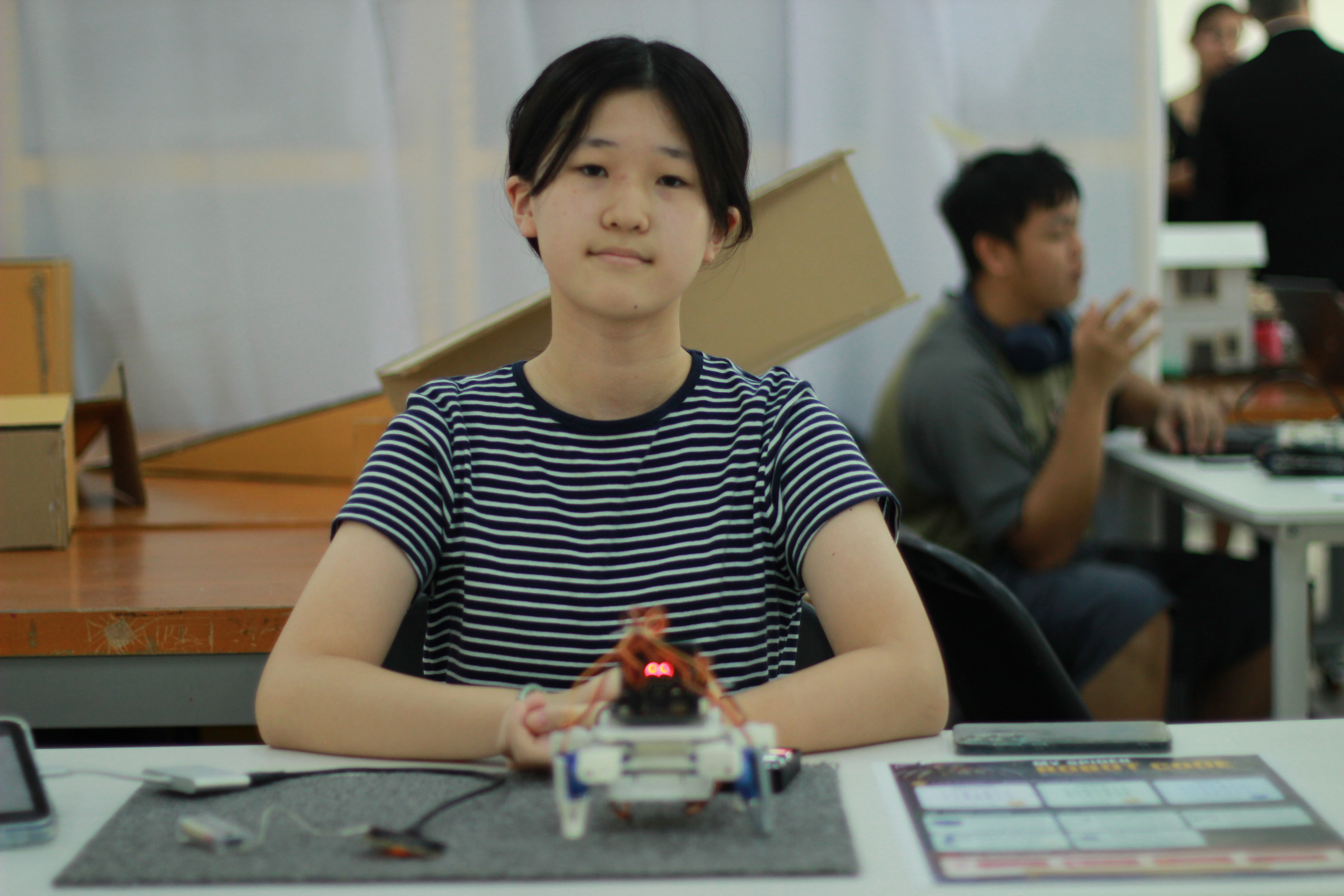
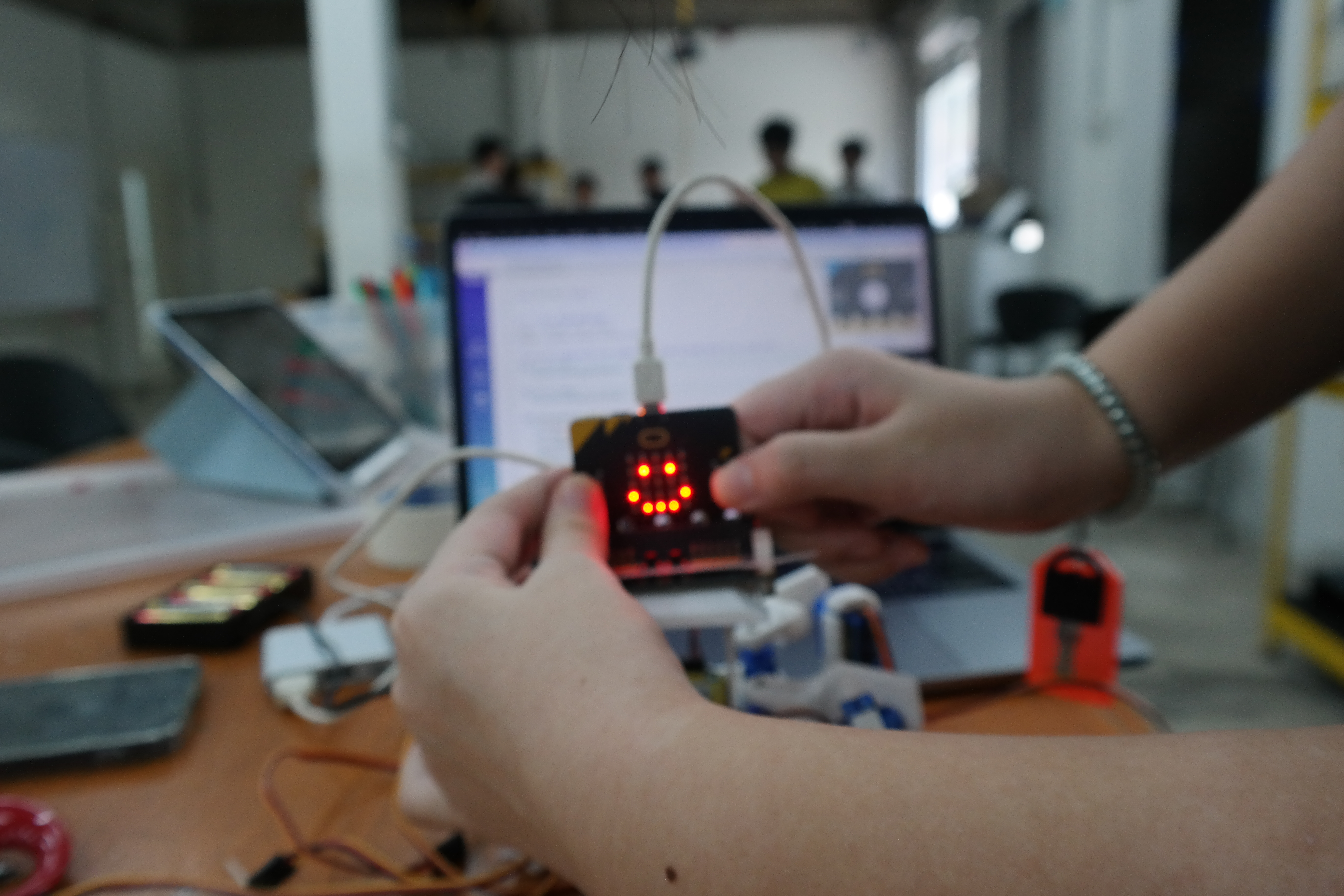
From Idea to Innovation
This is the journey every WeLearn project follows — the same path real engineers, designers, and founders take.
Start with a real question
Every project begins with something the learner actually wants to know or make — not a worksheet, but a question worth a term of their attention.
Make it theirs
The project bends toward what they care about. This is the step that turns "I have to" into "I want to" — and for a teenager who has switched off at school, it is the one that changes everything.
Dig deep, then think wide
They research the problem properly, then generate far more ideas than they will use. Depth first, options second — the habit real designers and engineers run on.
Build a rough first version
Something real, in their hands, early. It will be imperfect, and that is the point — you cannot improve an idea that only exists on paper.
Find out what breaks
The build meets reality. Here they learn that being wrong is information rather than failure, which is often the single biggest shift for a perfectionist learner.
Make it work
Debug, redesign, rebuild — with a mentor alongside. This is the part most classrooms skip for lack of time, and the part where the real learning happens.
Put it in front of people
They present and defend the finished work to peers, mentors and families, and it goes into their Mastery Portfolio. Evidence of what they can do, not a grade.
MakerSpace · PBL Facilities
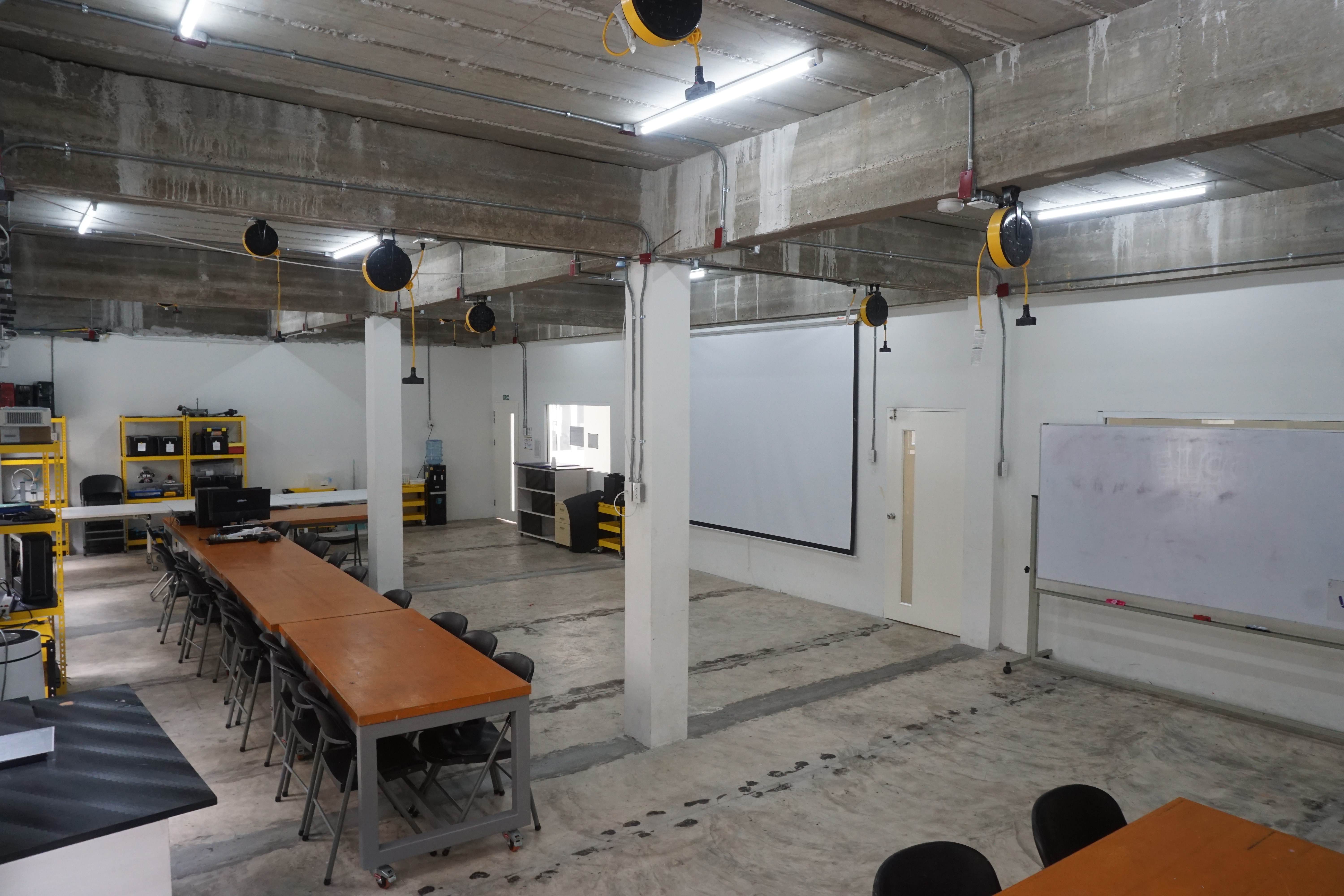
Where Ideas Become Real
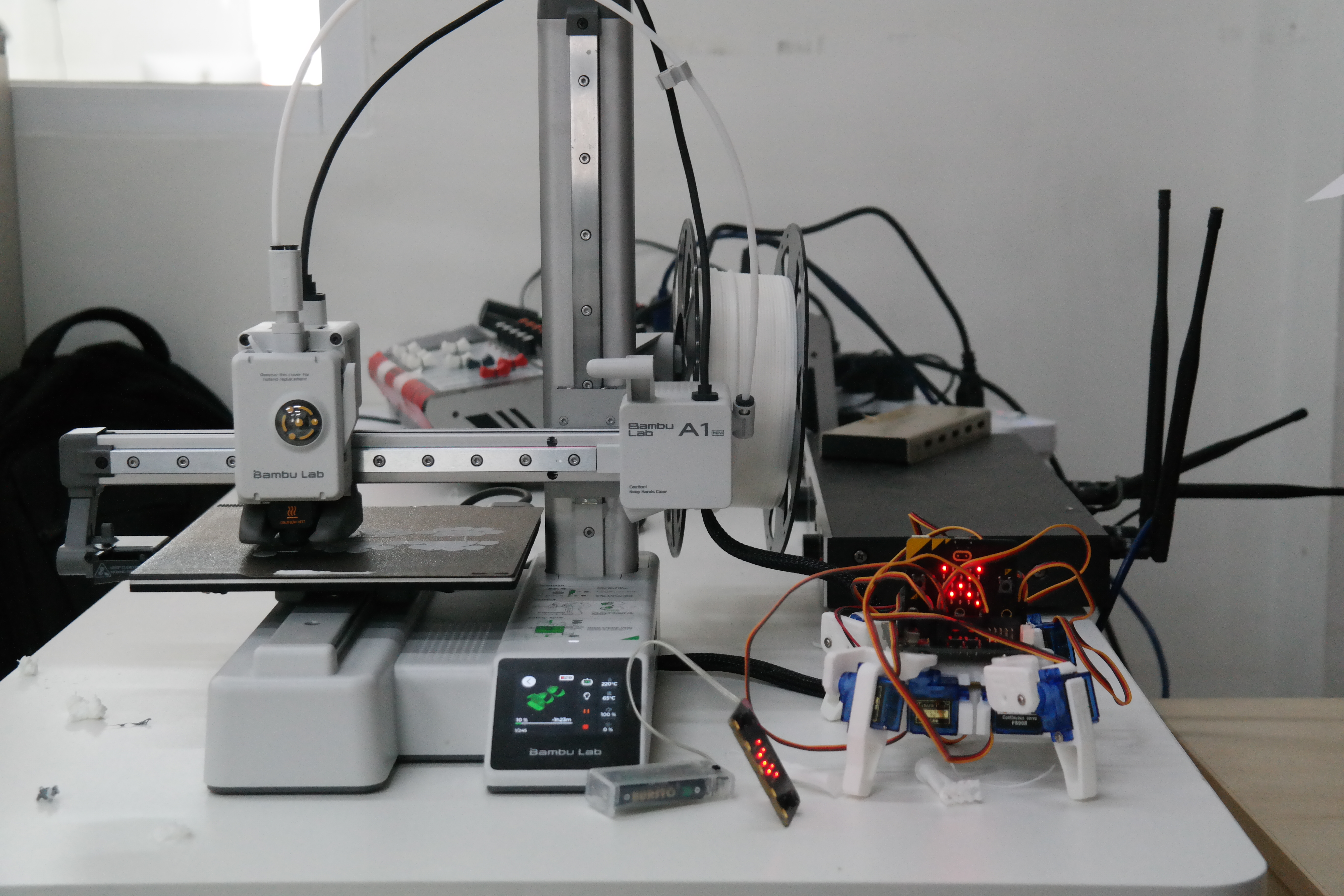
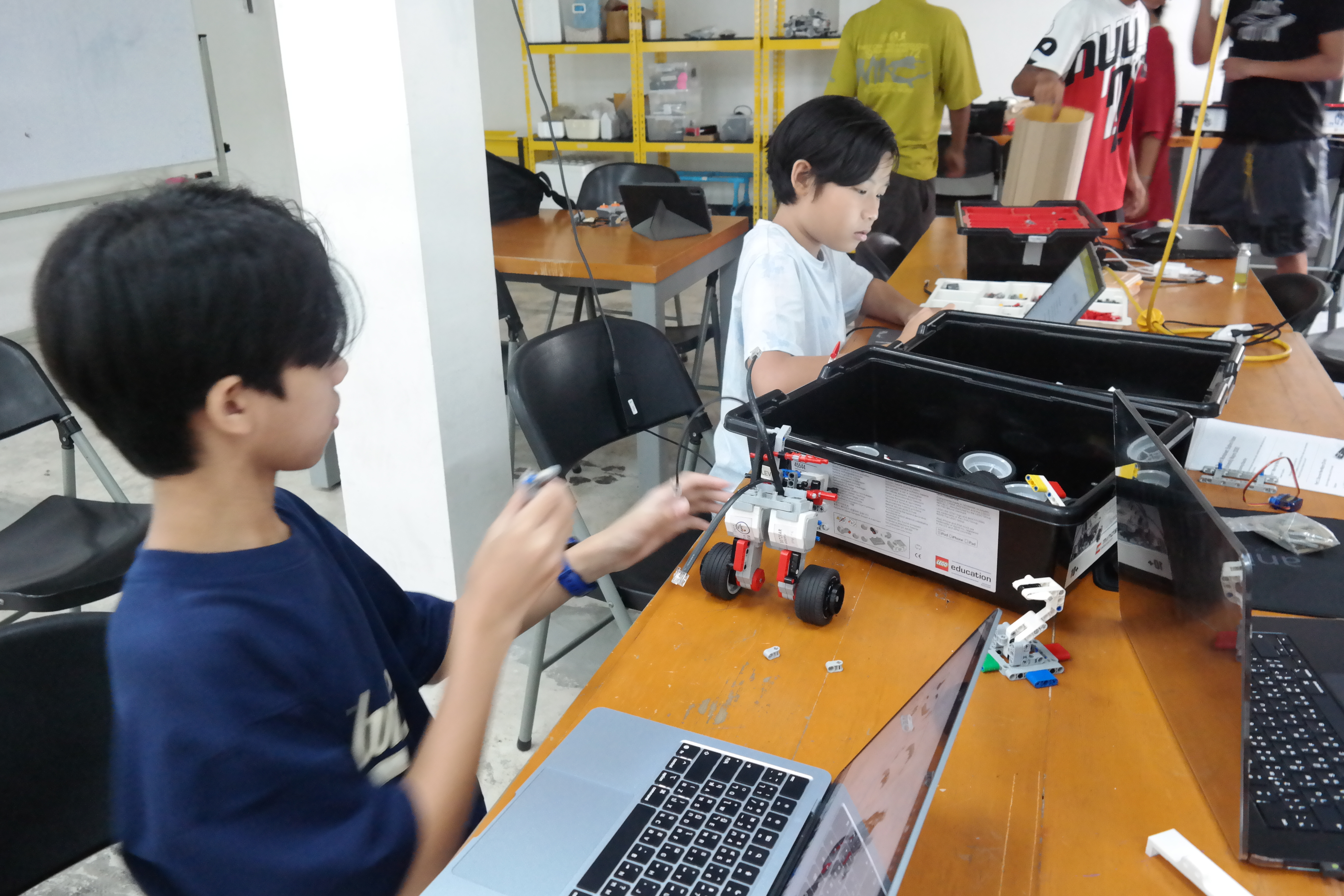
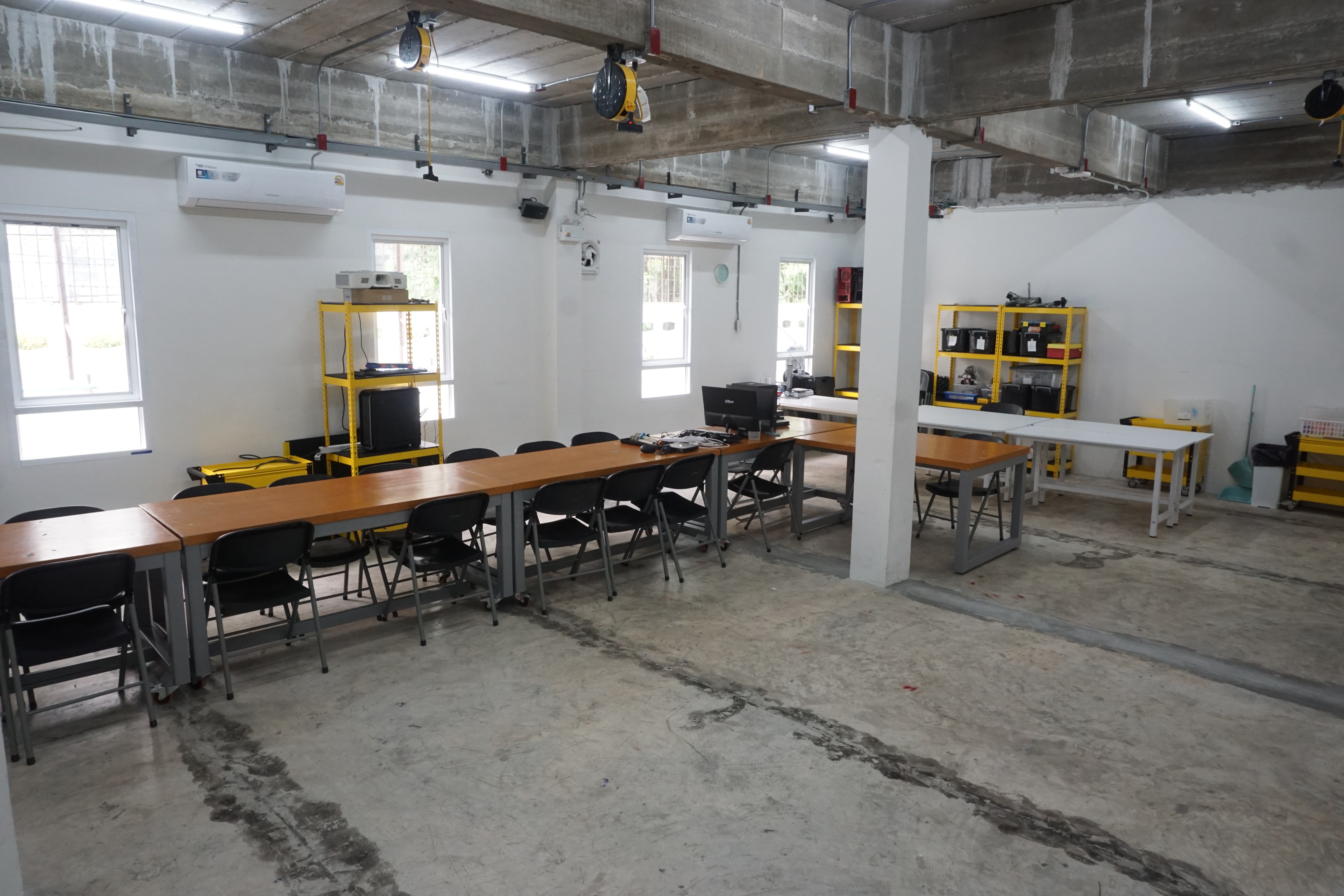
Our MakerSpace is equipped with professional-grade tools — from 3D printers and laser cutters to electronics workbenches and digital fabrication stations — giving every student the resources to build what they imagine.
Academic Year 2026–2027
This Year's PBL Missions
Real programmes your child can join — each one a complete journey from first idea to finished creation. Pick a mission below to explore it.
Engineering · Biomimicry · Sustainability
Solar Car Development
“Build a car that runs on sunlight — then help build the real one.”
Learners design and build a working solar car with Coach Donovan, a mechanical engineer, learning how a real one holds together: chassis, body, power, drag. The model is the starting point. The longer-term goal is a WeLearn team building a full-size vehicle.
Program at a Glance
What You’ll Build
- Design the chassisThe frame everything else mounts to. Get this wrong and nothing afterwards fits.
- Shape the bodyWeight, drag and surface area for the panels — with biomimicry as the design reference.
What Students Walk Away With
- Solar car engineering — chassis, body and power as one system
- Electrical engineering skills, applied to something that has to run
- Communication: presenting and defending technical decisions
- Critical thinking
- Problem solving
These are real programmes we run with WeLearn students — shared to give you a feel for how learning by making works. Projects can also be shaped around your child's own interests.
Project-Based Learning School in Thailand
At WeLearn Thailand, we offer a personalised approach to education designed for students who thrive beyond traditional classrooms. As a leading project-based learning school in Thailand, we empower learners to explore real-world challenges, build critical thinking skills, and develop innovative solutions.
Programmes for Gifted and Talented Students
Our programmes are designed for families seeking gifted education in Thailand. We provide flexible, student-centred pathways that nurture curiosity, independence, and advanced thinking. Each learner receives a customised experience aligned with their strengths, interests, and future goals.
- Personalised learning pathways
- Mentorship-driven projects
- Real-world problem solving
- Focus on innovation and creativity
How Our Learning Model Works
As a personalised learning school in Bangkok, our approach integrates academic learning with hands-on projects. Students work on meaningful challenges across science, business, and technology while developing essential life skills.
- 1Assessment of student strengths and interests
- 2Design of a personalised project-based pathway
- 3Ongoing mentorship and skill development
- 4Showcase of real-world outcomes and portfolios
Learn more
Project-Based Learning at WeLearn, Bangkok
WeLearn is a project-based learning school in Bangkok for learners aged 11–18. Here is how hands-on learning connects to accredited qualifications.
What is project-based learning?
Project-based learning means students learn by building, testing and presenting real work rather than only studying textbooks. At WeLearn, every term centres on projects — robotics, media, entrepreneurship — guided daily by expert coaches. It is hands-on learning for teens who want school to feel real.
How PBL leads to real qualifications
Projects sit alongside accredited academics, so learning by making never comes at the cost of credentials. Learners follow the British IGCSE pathway or the US High School Diploma pathway while they build a portfolio of finished work.
Who thrives in a PBL school?
Our PBL school in Thailand serves learners aged 11–18, including gifted and twice-exceptional (2e) students. Many join us after feeling unchallenged by traditional classrooms and find their pace at an alternative school in Bangkok built around their strengths.
Meet Our PBL Coaches
Every project is guided by mentors who have built things themselves — engineers, developers, and creators who bring real-world expertise into the Maker Zone and Discovery Lab.
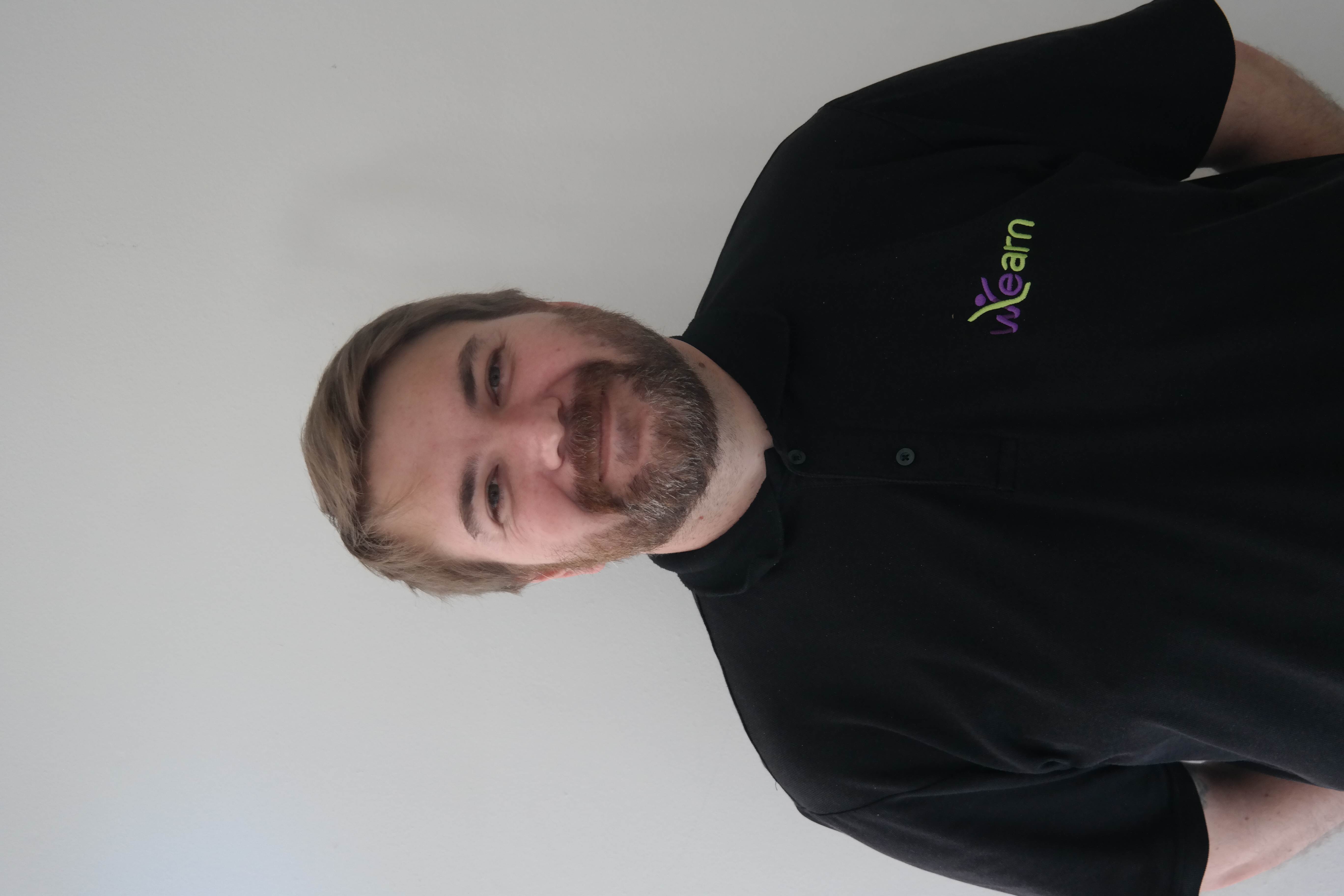
Coach Donovan
Mechanical Engineer · Musician · Head of PBL Curriculum
A mechanical engineer and passionate musician, Coach Donovan leads our PBL curriculum. He uses his engineering expertise to guide learners as they design and build real structures — and his love of music to inspire students with a passion for performance and composition to take their craft further.
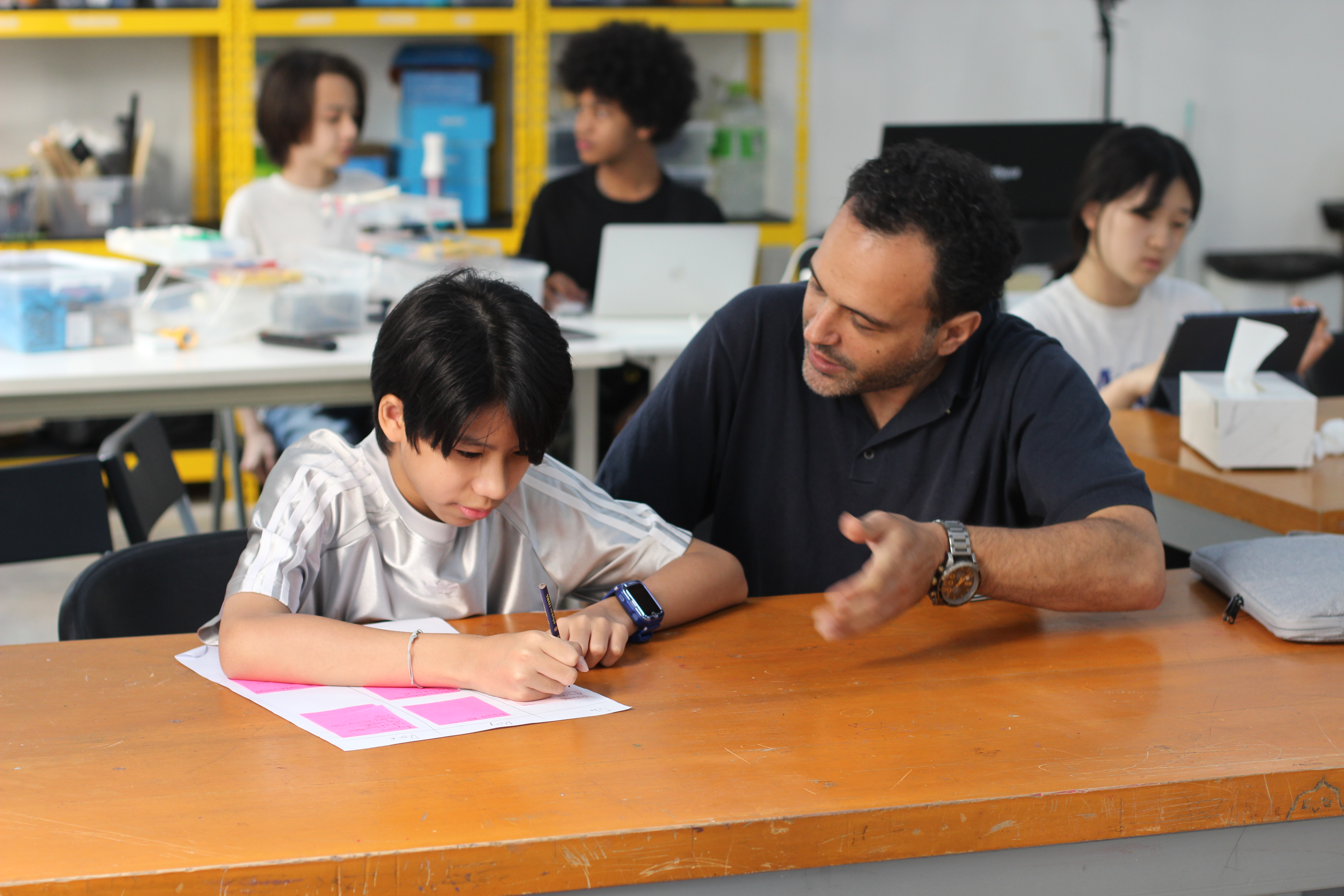
Coach Mani
B.Ed & Business Degrees · App & Web Developer
With degrees in Education and Business, and a passion for app and website development, Coach Mani focuses on the digital world and entrepreneurial thinking. He guides students through their programming projects — and prepares them to pitch and express their ideas like real entrepreneurs.
See how our project-based learning translates into global, accredited qualifications.