WeLearn Logo
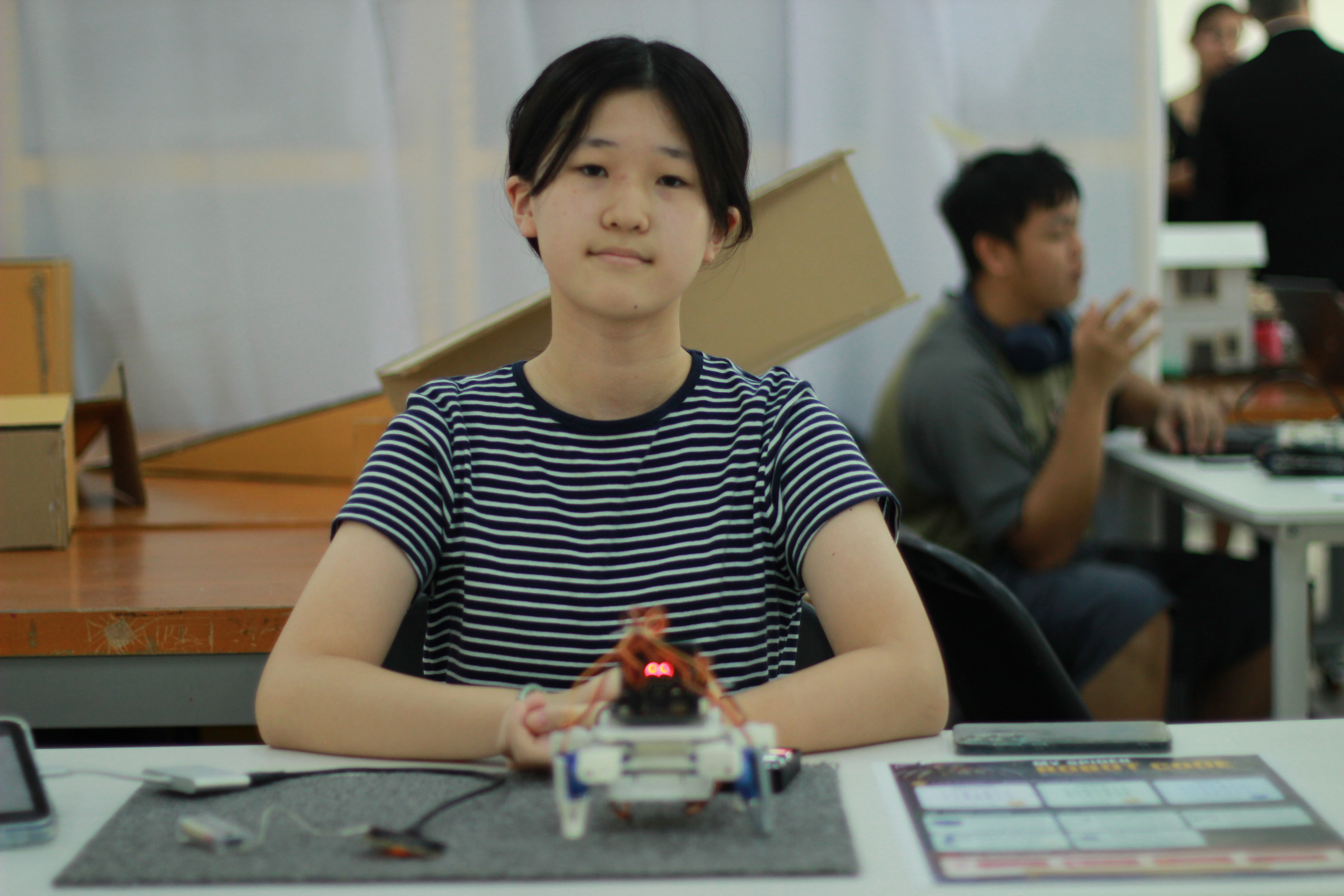
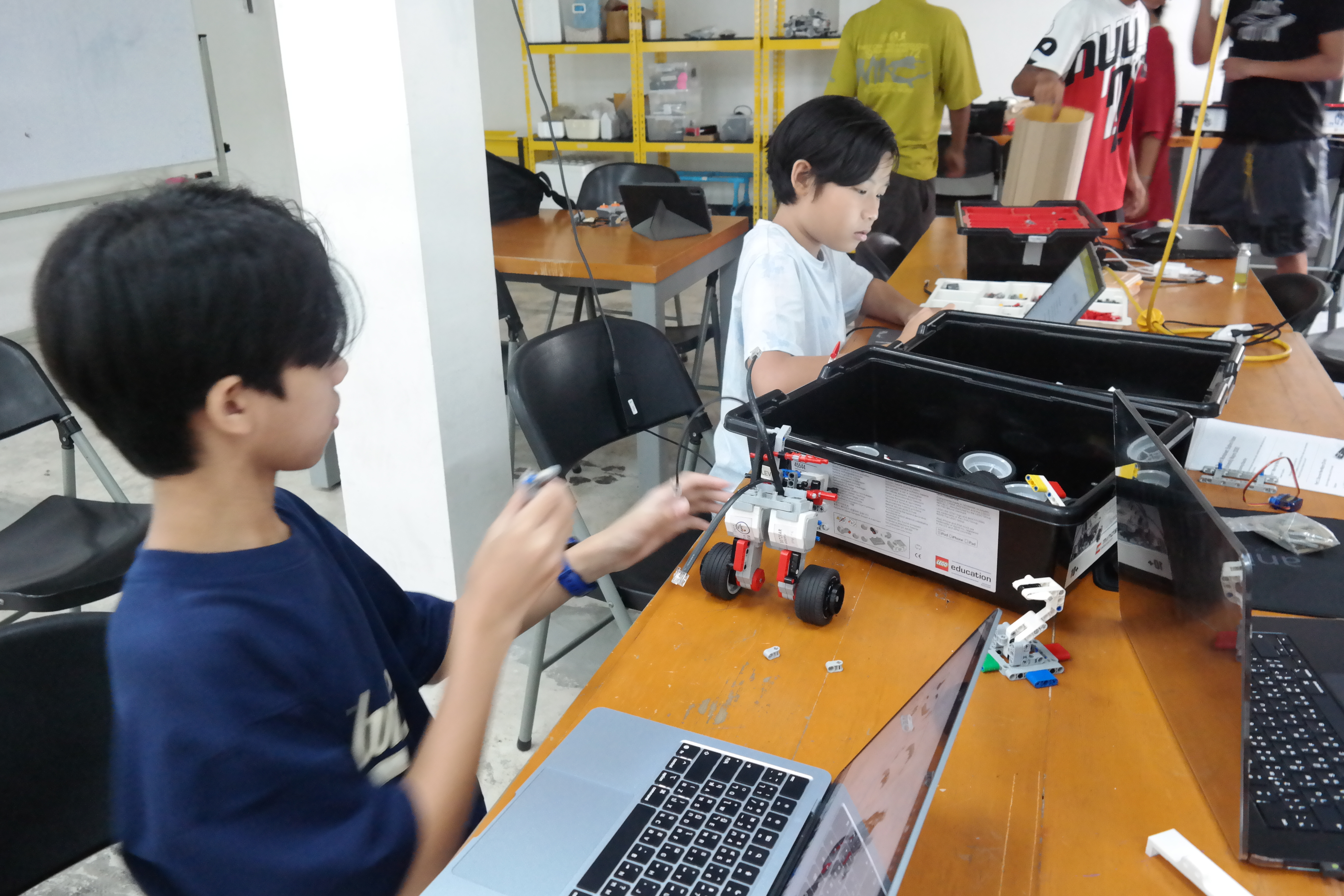
Students working together on a personalized project in a vibrant maker space.
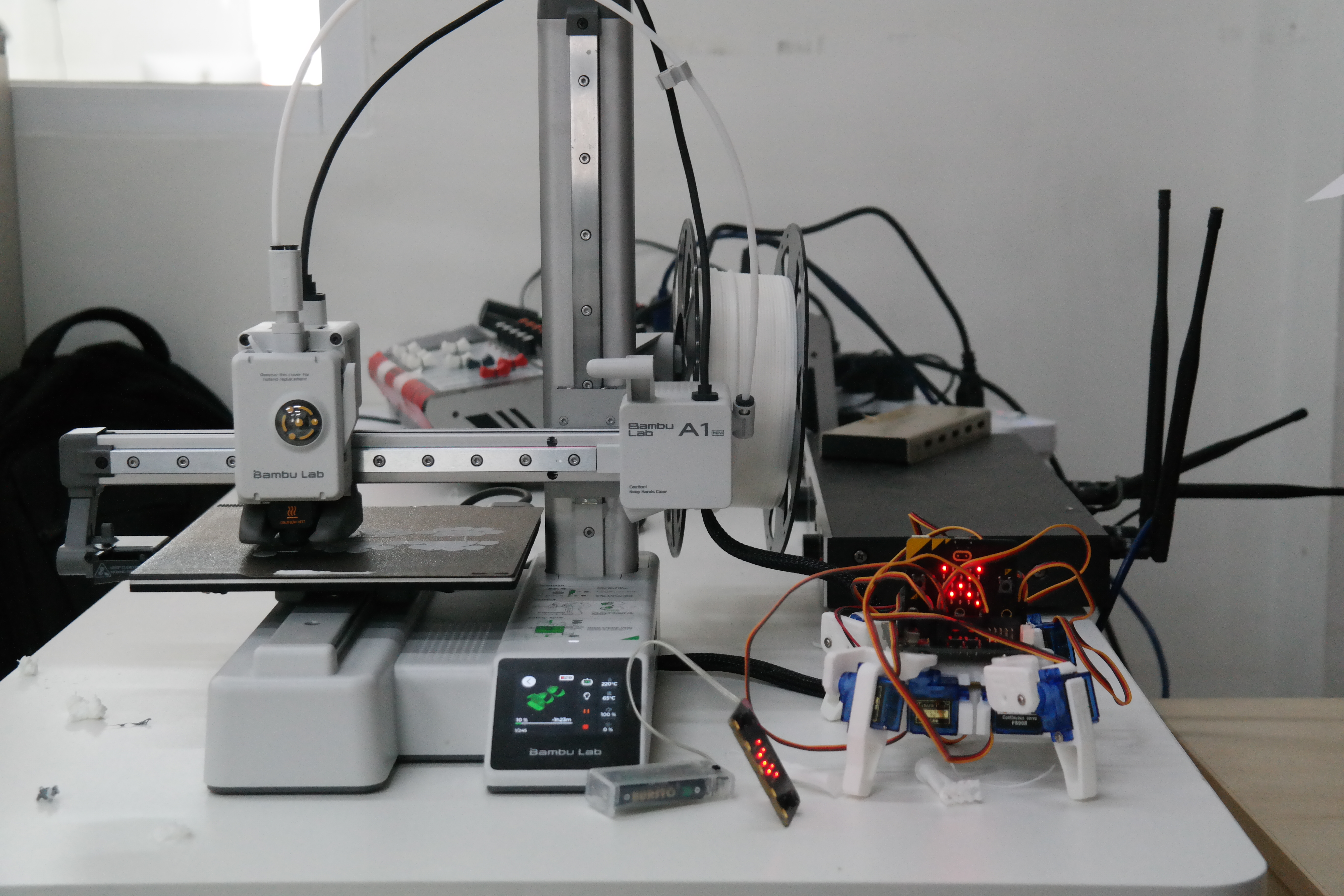
A 3D printer creating a complex yellow object for a STEAM project.
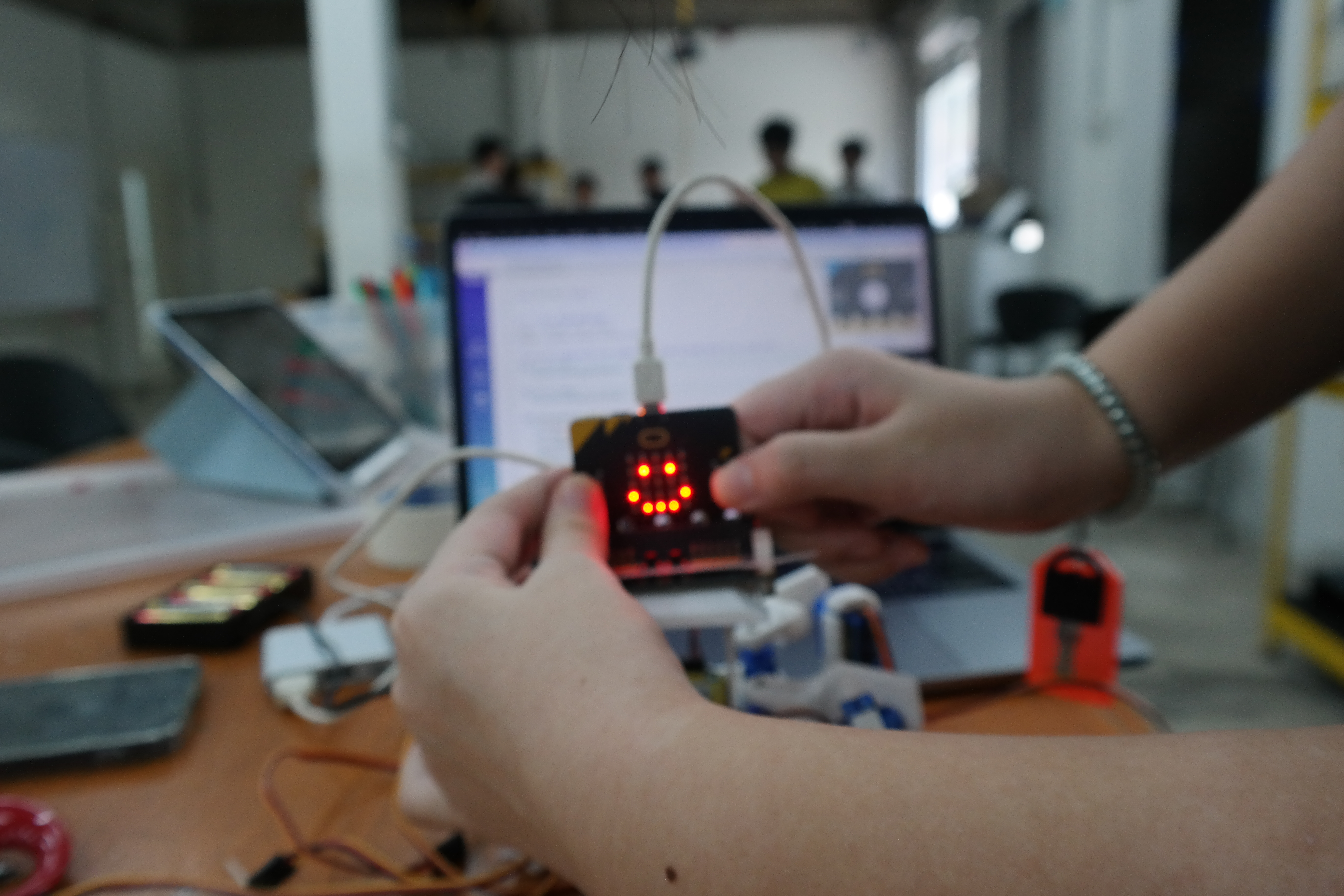
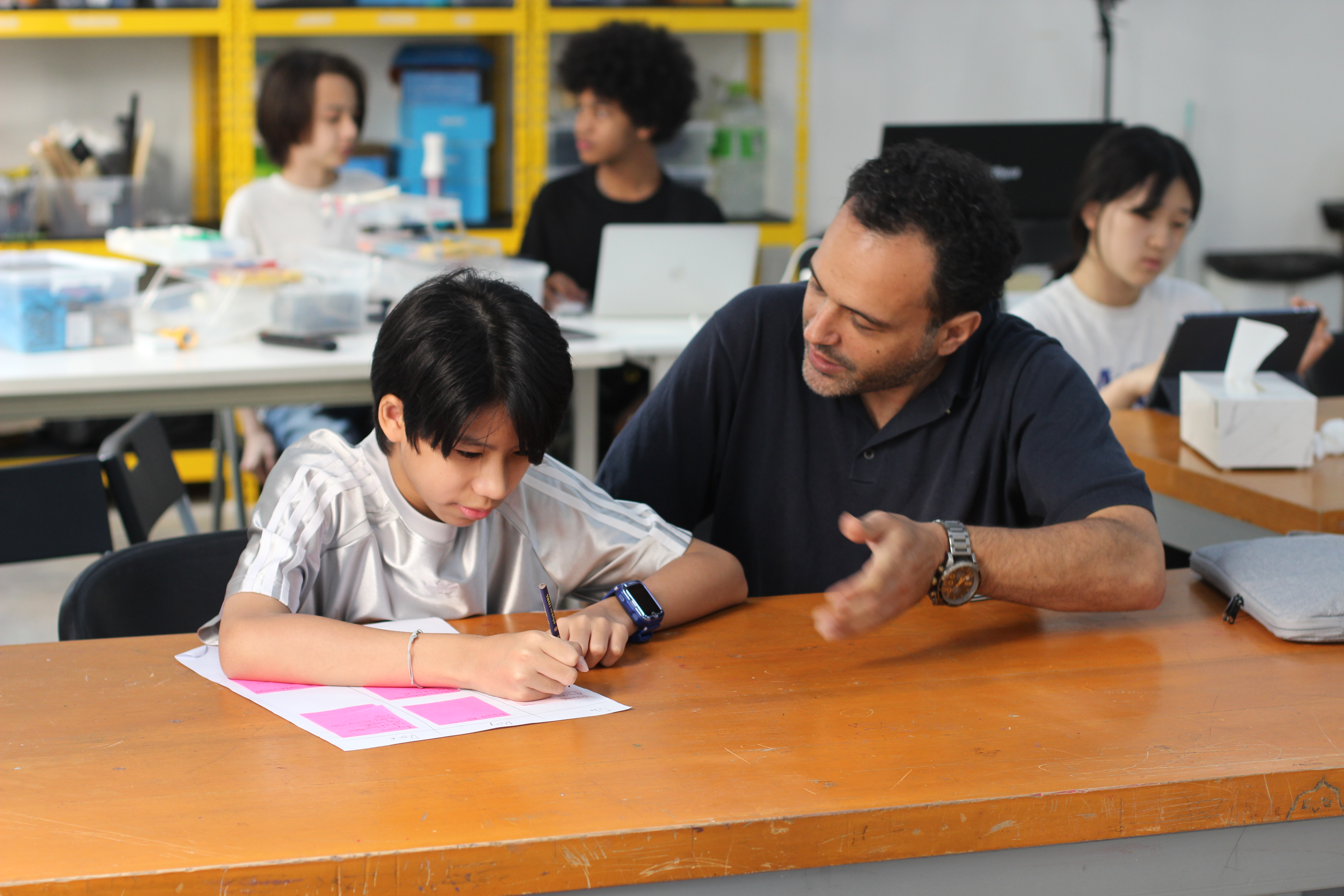
A student working on a digital design, planning their personalized project.
Alternative School · Bangkok · Ages 12–18

An alternative school in Bangkok where your twice-exceptional teen finally gets to build, create, and lead.

WeLearn's project-based learning programme is designed for gifted, 2e, and neurodivergent teens who are done being bored — and ready to make something real, earn an IGCSE or US diploma, and discover what they're actually capable of.

IGCSE · US Diploma1-on-1 Daily MentorshipInnovation Lab · Sathon, BangkokAges 12–18

Does PBL replace their IGCSE?

No — it runs alongside it. Students earn the same accredited qualifications as top international schools.

Will my child just play all day?

Every project is mentor-guided with weekly goals, daily check-ins, and a Friday presentation. There is real accountability.

Will universities accept this?

Yes. Our Mastery Portfolio (via MTC) plus IGCSE or US diploma gives students a stronger application than grades alone.

A Real PBL Week

What Does a PBL Week Actually Look Like?

No lectures. No passive note-taking. Every week is a cycle of challenge, creation, and reflection.

🎯
Monday

Choose the Challenge

Student and mentor co-design the week's project challenge. They define the goal, map the skills involved, and decide what "done" looks like.

🔧
Tue – Thu

Build, Test, Iterate

Deep work in the Innovation Lab — coding, prototyping, designing, experimenting. Mentors guide without taking over. Mistakes are the curriculum.

🎤
Friday

Present to the Cohort

Students present their work to peers and receive real feedback. This builds communication skills, resilience, and the confidence to own their ideas.

Real Work. Real Students.

This Is What Happens When 2e Teens Get the Right Environment

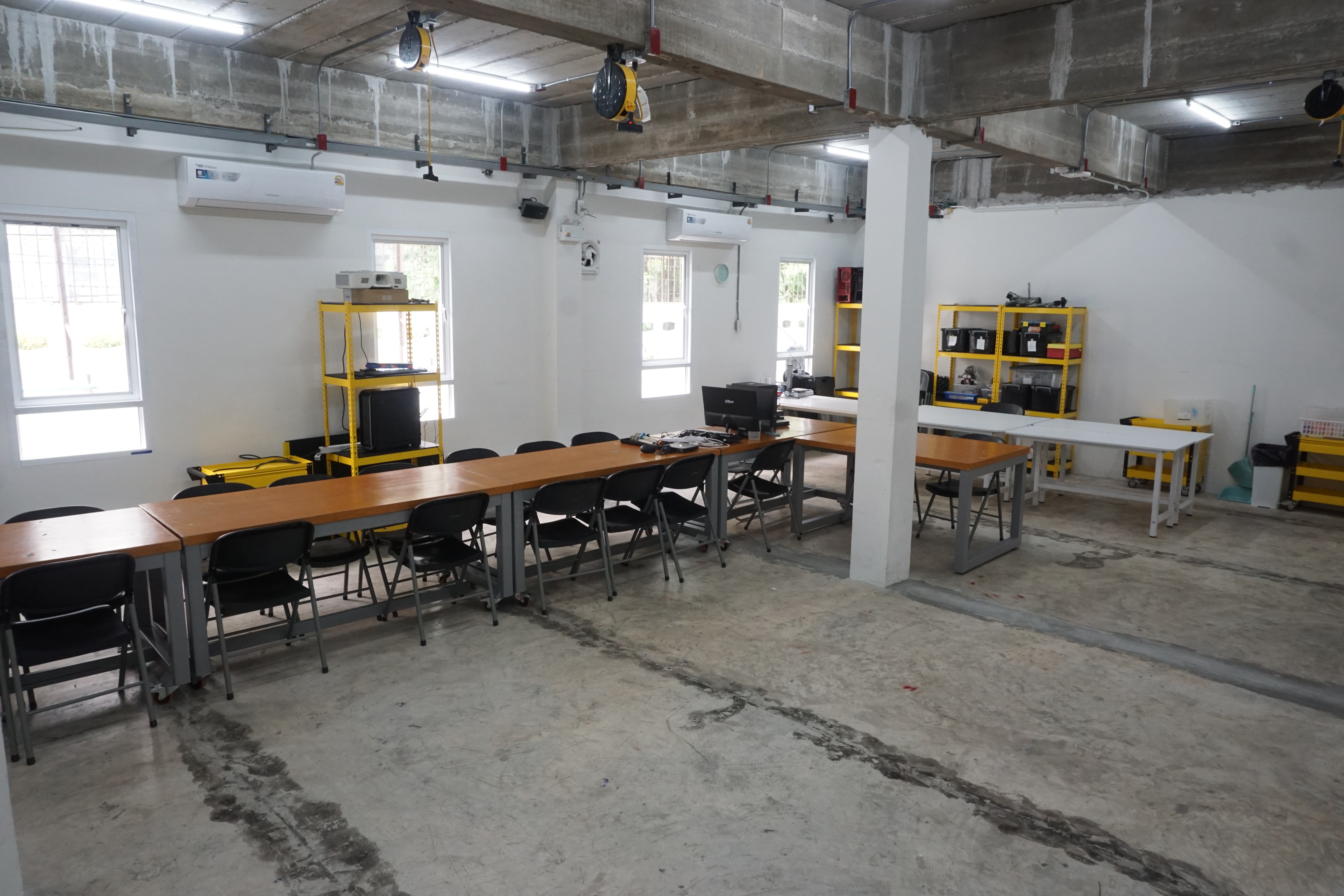
No stock photos. No made-up case studies. This is actual student work from our Innovation Lab in Sathon, Bangkok.

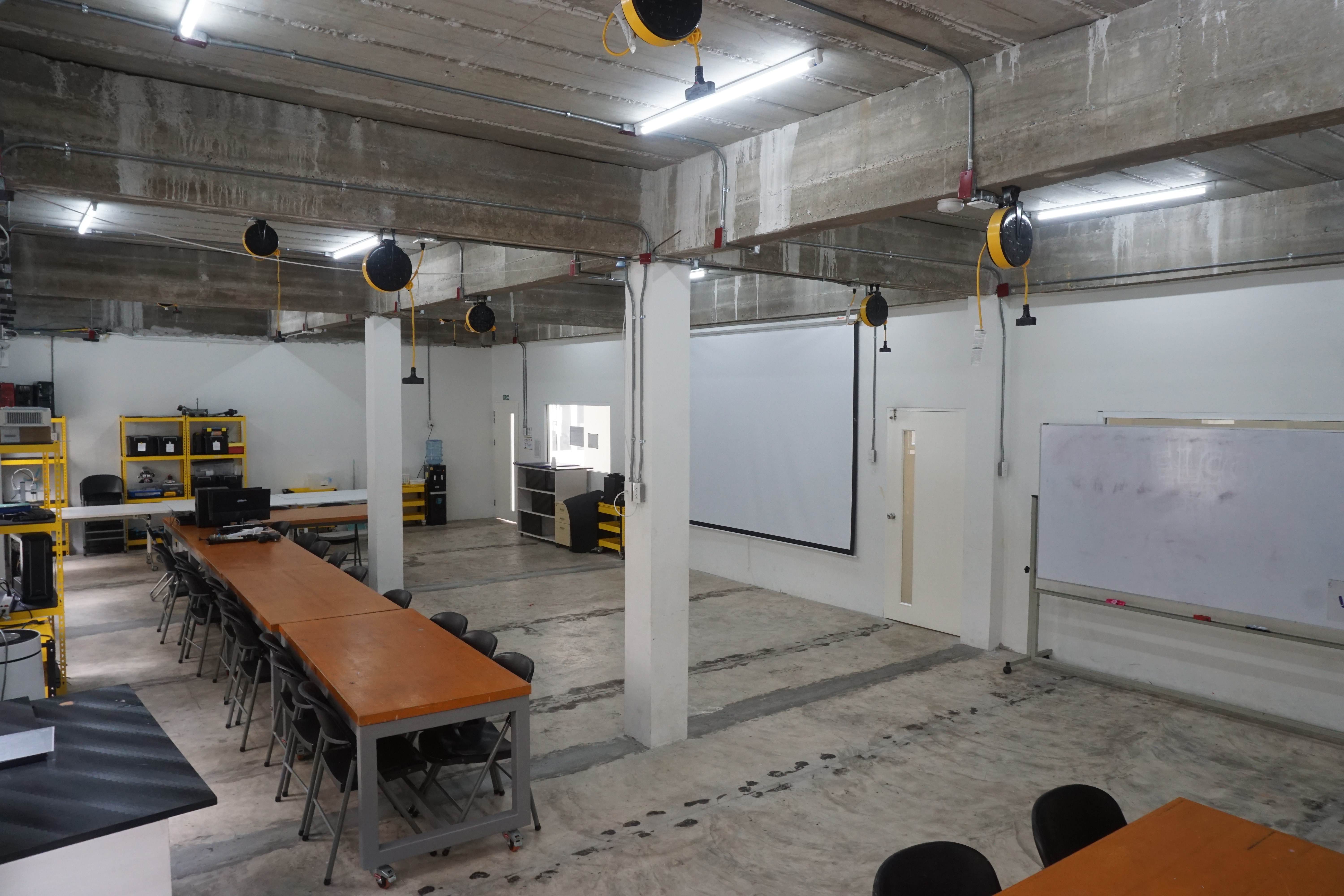
WeLearn students at work in the Innovation Lab, Sathon Bangkok

Project by Alex

Alex, 15 — built a robotic arm with computer vision to sort recyclable materials

Alex

Alex's Personalized Project

The Spark

Alex wanted to build a robotic arm capable of sorting recyclable materials automatically using computer vision.

The Breakthrough

Using Raspberry Pi and OpenCV, Alex integrated computer vision to identify objects in real-time, learning advanced programming and mechanics.

STEAM Skills Applied
Python
3D Printing
Outcomes That Matter

PBL Isn't a Detour From Success. It's the Faster Route.

2e parents worry their child will fall behind. Here's where WeLearn PBL graduates actually end up.

University

Qualifications That Open Doors

  • Internationally accredited IGCSE (Pearson Edexcel)
  • US high school diploma via Acellus Academy
  • Mastery Portfolio via Mastery Transcript Consortium
  • Accepted by universities in the US, UK, Australia & beyond
See our qualifications
Career

Skills the Future Runs On

  • Robotics, coding & hardware engineering
  • Design thinking & prototyping
  • Entrepreneurship & business modelling
  • Pitching, presenting & leading projects
Explore the Innovation Lab
Self

The Confidence to Be Themselves

  • Executive function & planning skills
  • Emotional regulation through structured challenge
  • A strong identity as a capable, creative person
  • Peer community of 2e and gifted teens
See our 2e support
"My son was asked to leave two schools for 'not paying attention.' At WeLearn he spent six hours straight building a drone and came home talking about circuits instead of complaining about school."

— Parent of a twice-exceptional student, Sathon Bangkok

Book a Free Private Tour

Free · 15 minutes · No pressure · Sathon, Bangkok

How the Programme Works

The four components that make WeLearn's project-based learning school in Bangkok unlike any other.

STEAM Integration

Bridging Science, Technology, Engineering, Arts, and Mathematics to solve complex problems. By merging analytical rigor with creative design, learners construct functional, aesthetic prototypes.

Personalized Projects

We believe learning shouldn't be a factory line. Every student chooses a Personalized Project tailored to their unique neurodiverse profile, interests, and real-world ambitions.

Mastery Learning

No grading curves, no rushed content. Mastery Learning ensures students fully grasp the underlying concepts before advancing, giving them solid foundations in academic and professional skills.

Future of Education

Moving away from rote memorization and passive test-taking. The future of education is active, experiential, and collaborative—preparing students for jobs that don't even exist yet.

Strengths-Based PBL (Project-Based Learning)

We channel the student's intense interests and high cognitive potential into active, hands-on creation. Contribution is measured by the quality of the solution, not by how rigidly they followed instructions.

A student works on a collaborative project in a vibrant maker space.

Infinite Verticals

Why stop at grade-level benchmarks? Dive as deep as your interest goes with high-ceiling, personalized projects.

A 3D printer creating a complex object, showcasing advanced technology.

STEAM Innovation

Utilize state-of-the-art tools—from 3D printers and Arduino boards to digital design suites—to make ideas tangible.

A student focused on an electronics project, integrating multiple skills.

Real-World Mastery

Learn how to pitch ideas, handle setbacks, and ship real products. Acquire skills that universities and modern industries demand.

For Sceptical Parents

Frequently Asked Questions

The questions every parent asks before trusting a different kind of school.

Does PBL replace the IGCSE curriculum?

No — PBL runs alongside the accredited curriculum, not instead of it. Students complete their IGCSE or US diploma subjects through structured mentor-supported sessions, and project work is designed to deepen and apply that academic knowledge in real contexts. You get both the qualification and the real-world skills.

What if my child just plays all day?

Every project at WeLearn is mentor-guided, structured, and assessed against a mastery framework. Students set weekly goals with their mentor on Monday, work toward specific outcomes Tuesday through Thursday, and present tangible results on Friday. There is accountability built into every day — it just doesn't look like homework.

How do universities view project-based learning?

Universities — especially in the US — increasingly value demonstrated skills and real-world portfolio evidence alongside grades. WeLearn students graduate with a Mastery Portfolio through the Mastery Transcript Consortium, which is recognised by a growing network of leading universities, in addition to their standard IGCSE or US diploma qualifications.

Is PBL effective for twice-exceptional (2e) students with ADHD or dyslexia?

PBL is particularly well-suited to 2e learners. Because students are working on challenges they chose and care about, sustaining attention comes naturally — even for students with ADHD. The hands-on, creation-based format also bypasses many of the barriers that reading- or writing-heavy classroom work creates for students with dyslexia or processing differences.

How does WeLearn merge STEAM disciplines within a Personalized Project?

Rather than teaching science, coding, design, and math in isolated classes, our students run interdisciplinary projects. Building a robotic system, for example, involves coding (Technology), physical component structures (Engineering), mathematical modelling (Math), scientific investigation (Science), and interface design (Arts) — all in one real project.

Still have questions? A 15-minute Discovery Call answers everything.

Book a Free Call